Dr Zeph Mkhwanazi.
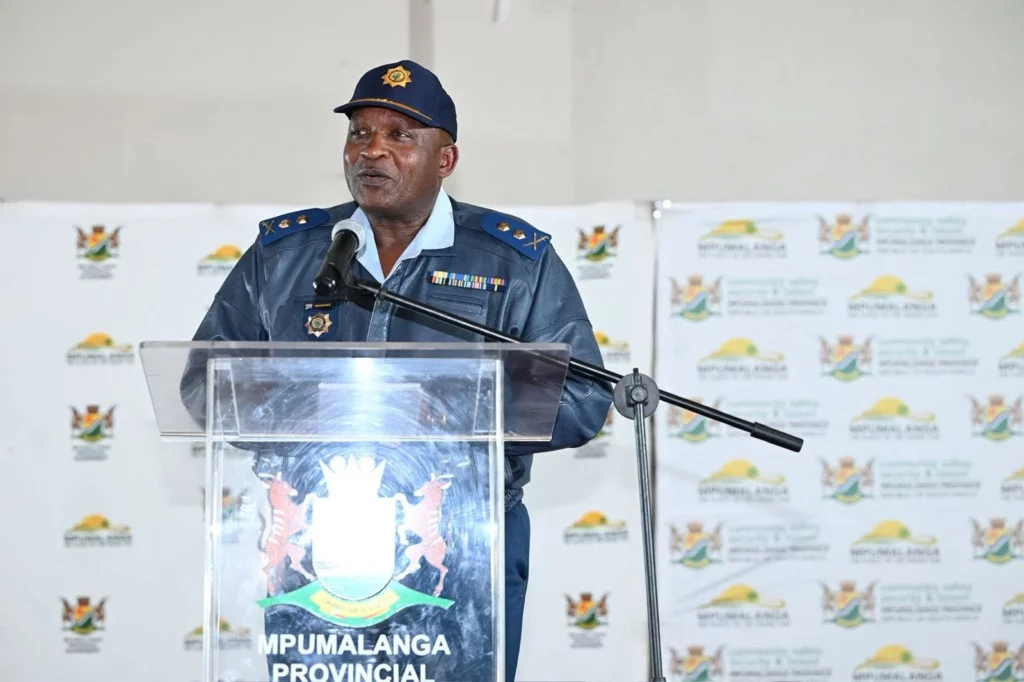
The Acting Provincial Commissioner of the SAPS in Mpumalanga, Major General Dr Zeph Mkhwanazi, has welcomed a notable decline in several serious crime categories during the fourth quarter of the 2025/2026 financial year, describing the results as evidence that collaborative crime-fighting efforts are beginning to bear fruit.
Presenting the province’s latest crime statistics, Mkhwanazi said the reporting period offered an opportunity to assess police performance, celebrate progress and identify areas requiring further intervention.
According to the statistics, contact crimes decreased by 8.6%, with 784 fewer cases reported compared to the same period last year.
Murder cases declined by 7.7%, while sexual offences dropped by 12.4%. Assault with intent to cause grievous bodily harm (GBH) decreased by 5.5%, common robbery fell by 2.6%, and robbery with aggravating circumstances recorded a significant reduction of 19.2%.
“These achievements demonstrate that our collective efforts are beginning to yield positive results,” said Mkhwanazi.
He attributed the decline in sexual offences partly to awareness campaigns conducted across the province. These included radio interviews, community dialogues, school outreach programmes and various media initiatives aimed at educating communities about gender-based violence, sexual offences, reporting procedures and available support services.
Mkhwanazi acknowledged the contribution of stakeholders such as radio stations, traditional leaders, faith-based organisations, community structures, government departments and the media in supporting these campaigns.
Despite the positive trends, he expressed concern over the increase in attempted murder cases, which rose by 14.2% during the reporting period. Police analysis indicates that alcohol abuse continues to be a major contributor to violent crime, with many incidents involving intoxicated perpetrators and victims.
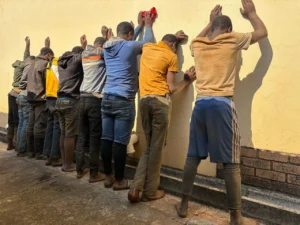
To address this challenge, SAPS has intensified compliance inspections and enforcement operations at liquor outlets through Operation Shanela II. These operations focus on enforcing liquor regulations, tackling illegal alcohol sales and reducing alcohol-related crime.
The province also recorded an increase in sexual assault cases, despite the overall reduction in sexual offences. Mkhwanazi said this highlighted the need for continued efforts to prevent sexual violence and promote behavioural change within communities.
Commercial crime has also increased, largely due to online scams targeting unsuspecting consumers. Police warned residents to exercise caution when making online purchases and to verify the legitimacy of sellers before making payments.
Shoplifting cases have also risen, prompting SAPS to strengthen cooperation with retailers and security partners to improve crime prevention measures.
Mkhwanazi reaffirmed the police’s commitment to combating crime through intelligence-led policing and ongoing operations such as Shanela II and Vala Umgodi, which targets illegal mining activities and related crimes.
“The fight against crime cannot be won by the police alone,” he said. “It requires active participation from communities, businesses, civil society and all spheres of government.”
He thanked SAPS members, law enforcement partners, Community Policing Forums, government departments and the people of Mpumalanga for their continued support in creating safer communities throughout the province.