The seventh nationwide Foot and Mouth Disease (FMD) vaccination rollout campaign was conducted at the Shabalala Crush Pen in Hazyview within the City of Mbombela, bringing together government leaders, veterinary officials and traditional leadership from across the Southern African region.
The selection of the Shabalala Crush Pen in Hazyview as the site for the seventh nationwide Foot and Mouth Disease (FMD) vaccination rollout campaign on May 11, , represents a calculated strategic move by the South African Department of Agriculture. Situated within the City of Mbombela, this location is a critical geographic “red line” zone where domestic livestock and wildlife frequently interact, making it a high-risk corridor for disease transmission.
By hosting the campaign here, Minister of Agriculture John Steenhuisen and provincial MEC Khethiwe Moeketsi underscored the government’s shift toward an aggressive, proactive biosecurity model.
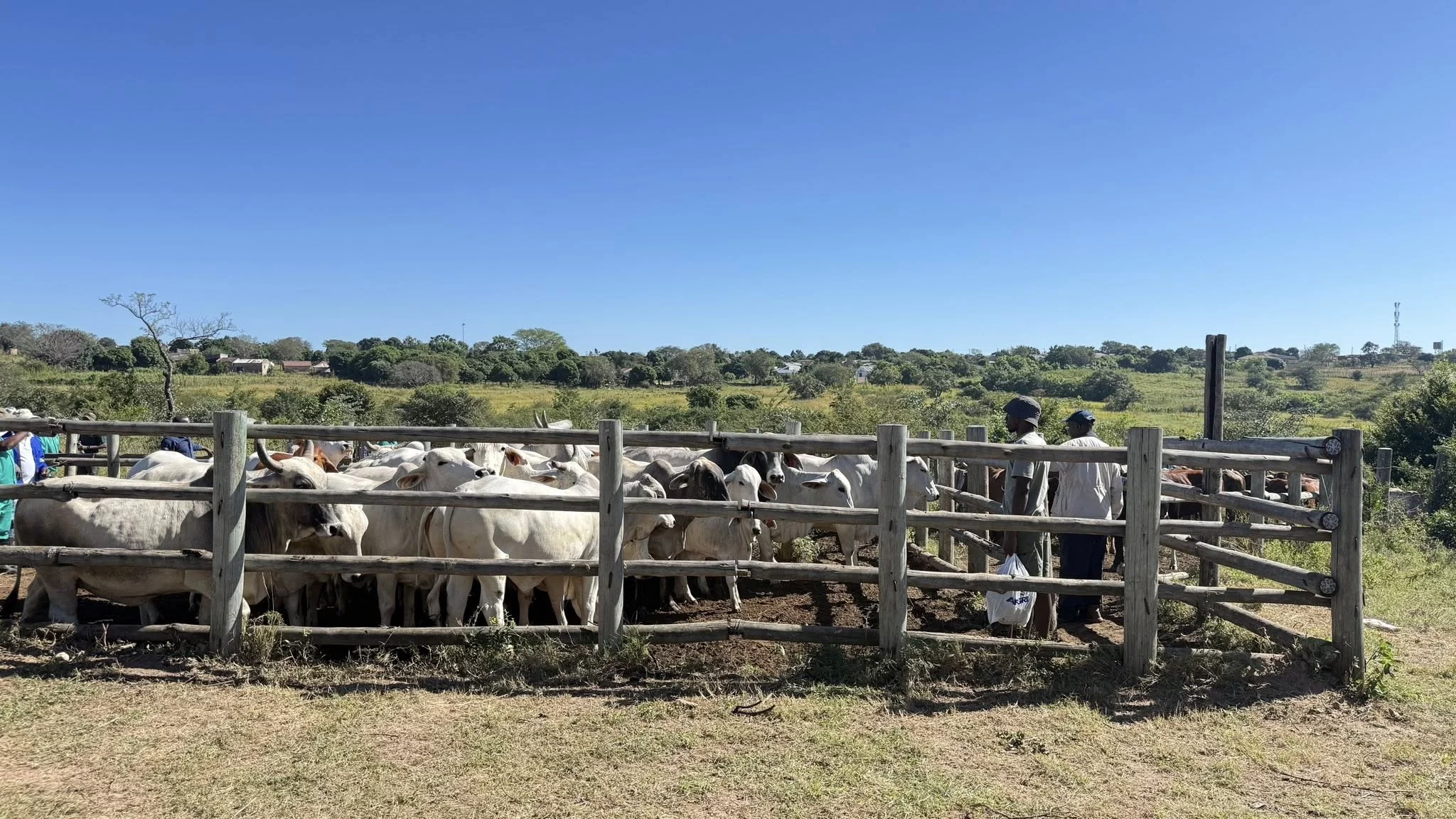
The event served as a high-profile platform to demonstrate the efficacy of the Routine Vaccination Scheme (RVS-FMD), which aims to vaccinate 80% of the national herd by December 2026. Achieving this target is projected to reduce regional outbreaks by 70%, a vital prerequisite for South Africa to regain its
“FMD-free with vaccination” status from the World Organisation for Animal Health (WOAH). The presence of international dignitaries, including Minister Mandla Tshawuka from Eswatini and Prof Chillundo from Mozambique, highlighted the transboundary nature of the crisis. FMD does not recognize political borders; the virus often moves through illegal meat smuggling and the natural migration of cloven-hoofed wildlife across the porous frontiers of the Southern African region. The
Hazyview engagement emphasized that South Africa’s biosecurity is inextricably linked to the animal health protocols of its neighbors. By aligning with Eswatini’s recent success in partially relaxing livestock movement controls and Mozambique’s fisheries and agricultural initiatives, the delegation signaled a unified front intended to safeguard the regional “red zone.” This collective approach is designed to prevent the catastrophic economic ripple effects of trade bans, which have historically crippled rural livelihoods and halted livestock auctions across Mpumalanga. Beyond the technicalities of veterinary medicine, the Shabalala event prioritized the “human element” of agricultural health.
The inclusion of Sipho Monareng, Chairperson of the House of Traditional Leadership, and Phindile Mbowane of the City of Mbombela, was essential for securing community “buy-in.” Traditional leaders act as the primary custodians of communal grazing lands, and their endorsement is critical for ensuring that local farmers comply with movement regulations and report early symptoms of infection.
By interacting directly with farmers at the crush pen, officials bridged the gap between national policy and grassroots practice. This multifaceted strategy combining mass vaccination, international diplomacy, and community awareness is not merely about animal health; it is a vital economic intervention intended to stabilize food security and restore the global competitiveness of Southern African beef and dairy exports.