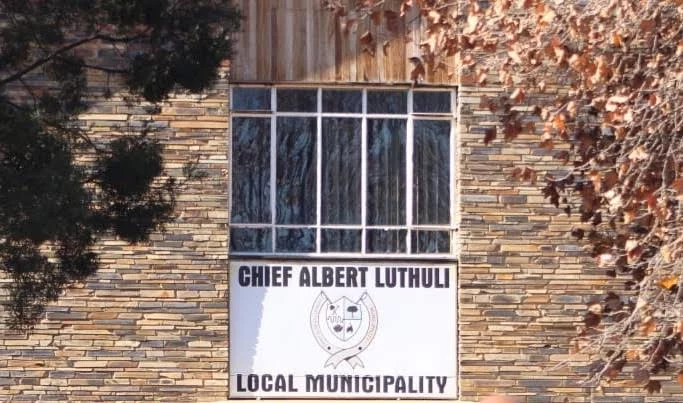
As South Africa (SA) marks Women’s Month, women living across the Chief Albert Luthuli Municipality (CALM) say they have little to celebrate; poverty, unemployment, poor service delivery and a lack of economic opportunities are continuing to negatively affect their lives.
Women from across the municipality say they remain excluded from meaningful opportunities, particularly when it comes to employment and doing business with the municipality.
Some allege that women are expected to have political or personal connections to access opportunities. Others claim that corruption and sexual exploitation are barriers to employment and business opportunities.
For women in some rural communities, access to basic services remains a major concern.
Suzani Nkosi from Glenmore said residents in her area still struggle to access reliable and safe water, forcing some households to collect water from rivers where animals also drink.
“After 30 years of democracy, I feel that we are still oppressed because there are no better opportunities for women in my area. We still have no jobs. When it comes to doing business with the municipality, it is a challenge. As a woman, they prefer to work with people who are outside the municipality,” Nkosi said.
She also alleges that those women who receive opportunities are expected to provide bribes or sexual favours.
“If you eventually get a chance, you need to sleep with them or bribe them. So, as a resident within this municipality, there are no opportunities for women or anything to celebrate,” she stressed.
In Mooiplaas, Sebenzile Gama said residents continue to rely on the water supply that was connected by Mlungisi Maseko, using his Road Accident Funds and feel neglected by the municipality.
“There are no municipal programmes catering for women to empower them. It is Women’s Month, but they only focus on elections and using poor women to run their campaigns with no improvement in their livelihoods,” Gama said. She claims women need to be politically or personally connected to secure employment or business opportunities.
“As a woman, you need to be connected to get a job or do business with the municipality, but connected people always get preference. The municipality always uses service providers from other provinces instead of local businesses,” she said.
Agnes Mashaba from Carolina said she also sees little reason to celebrate Women’s Month, particularly because she believes local women-owned businesses are not receiving enough support.
“We are in the second week of the month and there has been no celebration for us or any programmes for women,” she said. Mashaba, who operates in the tourism sector, said she owns or works with several establishments, but feels local businesses are overlooked when opportunities arise.
“I am in tourism with a few establishments, but they are not considered by the same municipality. Those who are connected with the leadership are always at the top of their list. We are led by people who despise women,” she alleged.
The concerns raised by women highlight the gap between national calls to empower women and the reality faced by them in some rural communities.
While Women’s Month is intended to recognise the contribution, resilience and achievements of SA’s women, residents say celebrations mean little when basic services, employment and economic opportunities remain out of reach.
Women are calling on CALM to create more transparent opportunities for women-owned businesses, improve access to basic services such as water and introduce programmes to provide meaningful economic empowerment rather than short-term political engagement.
RESPONSE FROM MUNICIPALITY
In response, CALM spokesperson Thapelo Phetla said the municipality acknowledges the unemployment challenge facing the area. Figures place overall unemployment at 36.4%, female unemployment at 42% and youth unemployment at 45%.
Phetla said the municipality’s interventions include EPWP employment, internships, support for cooperatives and women-owned businesses, agricultural initiatives, skills development and employment-equity measures.
CALM will continue working with government departments, the private sector and civil society to expand sustainable livelihood and enterprise opportunities for women in rural and historically disadvantaged communities.
The municipality categorically rejected allegations that political or personal connections are required to access jobs, tenders, business opportunities or municipal programmes. Phetla said recruitment and procurement processes must comply with legislation, municipal policies and oversight requirements.
Women-owned businesses seeking procurement opportunities must be registered on the Central Supplier Database and remain tax compliant, while municipal vacancies are publicly advertised and filled through prescribed application, shortlisting and interview processes.
Residents with credible evidence of irregularities are encouraged to report them through appropriate channels. CALM said allegations will be treated seriously and investigated. Anonymous reports: 0800 701 701 toll-free. Public Protector South Africa: 0800 11 20 40; Presidential Hotline: 17737.
The municipality acknowledged challenges involving water, roads, sanitation and other basic services, which disproportionately affect women and women-headed households.
Its response includes infrastructure projects guided by the IDP and budget, community engagements, gender-sensitive planning, improved monitoring and stronger accountability.
Phetla said CALM recognises the hardships faced by women, including unemployment, poverty, limited economic opportunities, GBVF and inadequate service delivery.
“Women’s Month is not only a celebration; it is also a period of reflection, accountability and renewed commitment,” he said.
Phetla added that the municipality remains committed to expanding economic opportunities, ensuring fair access to municipal programmes, improving basic services, combating GBVF and creating safer environments for women and children.
He urged women and communities to participate in municipal processes and hold the municipality accountable.