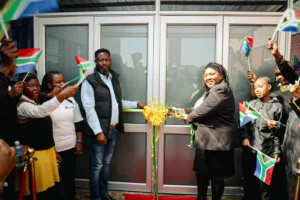
SASSA’s CEO, Themba Matlou,
The South African Social Security Agency (SASSA) reassures grant recipients that no social grants had been suspended. This follows public concerns regarding the Agency’s current beneficiary review process.
SASSA’s CEO, Themba Matlou, said these reviews are routine and legally required; aimed at verifying continued eligibility, especially in cases where beneficiaries may have additional income sources not previously disclosed. “This review is not a punitive measure.
It is meant to ensure continued eligibility and prevent misuse of public funds. This comes after the Agency collaborated with registered Credit Bureaux. Approximately 210 000 social grant beneficiaries were flagged for receiving additional incomes not disclosed,” he said.
According to Matlou, the Social Assistance Act requires applicants to declare all income streams when applying for grants and to report any changes in financial circumstances thereafter. He emphasised that failure to do so may lead to corrective action.
“The review of social grants helps identify beneficiaries who may no longer qualify due to changes in financial, medical, or legal circumstances. SASSA uses the review process to verify grants are not paid to deceased individuals or those who have moved without updating their records. In some cases, reviews uncovered individuals listed on other payroll systems, public or private, while still receiving grants,” he explained.
Some payments may be temporarily delayed if a beneficiary does not respond to a review request or fails to submit updated documentation in time. “However, no grants are suspended. Efforts are also underway to improve capacity at SASSA offices to deal with high volumes of in-person visits,” Matlou concluded.
Beneficiaries contacted for a review are encouraged to visit their nearest SASSA local office with the following documents: valid South African ID (13-digit barcoded ID or smart card); proof of income; payslips, pension slips or affidavit if unemployed; last three months’ bank statements for all active accounts; proof of residence/utility bill or letter from a local authority and/or medical referral report. This is applicable to those receiving disability or care-dependency grants.
Marriage certificates or divorce decrees may also be requested. Also, death certificates for dependants or spouse and any additional documents – relevant to specific grant – birth certificates and school attendance records, should also be made available.
If a beneficiary is bedridden or immobile, a procurator can be appointed to assist. SASSA encourages beneficiaries in such situations to contact their local office for assistance in arranging it.
SASSA is working towards automating the review process to reduce queues and improved convenience. Plans are under way to launch online self-service options which would allow beneficiaries to digitally update their information and submit supporting documents.
The Agency urges all affected individuals to respond promptly to any official communication. Failure to comply may result in delays in future payments and in some cases, suspension or legal action.
This process is about protecting public funds and ensuring support goes to those who truly need it.
For any questions or to confirm their review-process status, beneficiaries should visit or contact their nearest SASSA office.